Mandarin ab initio: A separate beginner course at SL, with 20 prescribed topics across five themes, including personal details, daily routines, food and health. Build practical vocabulary, grammar and communication skills.

IB Chinese Tutor in Hong Kong & Online
Private IB Chinese lessons for PYP, MYP and Diploma students. Get help with schoolwork and IB exam preparation.
Central · Online · Your location
5.0/5 on GoogleEnquire about IB Chinese lessons
Tell us where you need help.
Share your IB course, schoolwork concerns and availability. We’ll reply using your contact details.
Page contents
YOUR SCHOOL COURSE. YOUR LEARNING NEEDS.
IB Chinese support for every stage
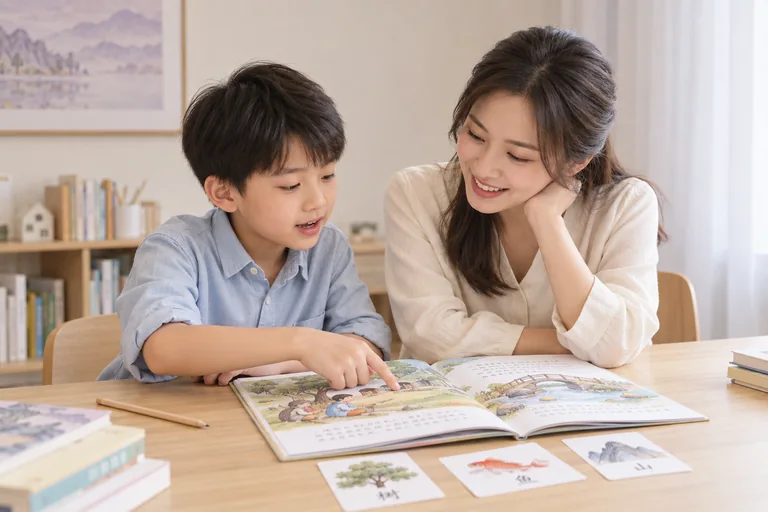
PYP Chinese: Build Confidence
Fun, hands-on Mandarin skills.
PYP Curriculum
Connect Units of Inquiry to practical reading, writing and speaking.
Read curriculum guide ↗PYP Assessment
Build confidence through low-pressure listening and speaking activities.
See assessment details ↗PYP Learning Materials
Use hands-on kits and graded readers to build Mandarin skills.
View PYP materials ↗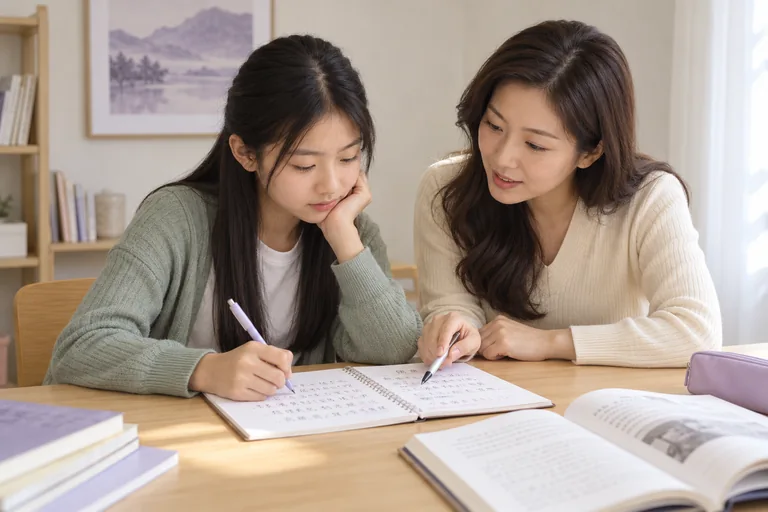
MYP Chinese: Clearer Criteria
More structure and clearer assessment criteria than PYP.
MYP Assessment Criteria
Understand Criteria A–D and practise listening, reading, speaking and writing.
See grading guide ↗MYP Materials
Improve accuracy and structure with school materials and IB frameworks.
View MYP materials ↗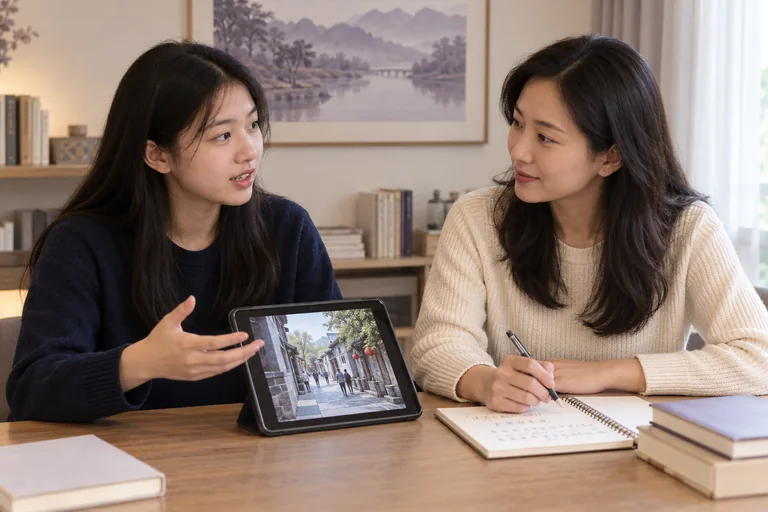
IB DP Chinese: Exam Strategy
Build language skills and exam technique for Mandarin ab initio, Chinese B SL and HL.
Strategy & Materials
Use textbooks and past papers alongside writing feedback and oral practice.
View oral preparation guide ↗A STARTING POINT FOR YOUR LESSONS
Try one lesson.
Leave with a plan.
Bring schoolwork, teacher feedback or a topic you find difficult. We’ll work through it together and agree what to focus on next.
Book an IB Chinese trial · HK$450 ↗Choose Mandarin in the booking form and tell us your IB course.
-
Share your course and goals
Tell us your IB programme, phase or level, exam year and where you need help.
-
Work with your tutor
Practise a task suited to your course and needs.
-
Plan your next steps
Agree what to practise next and whether ongoing lessons would help.

SYLLABUS · ASSESSMENT · EXAM TECHNIQUE
IB Diploma Chinese: syllabus & exams
Lessons follow your course and exam year. Build vocabulary and fluency, express ideas clearly and prepare for assessments.
Syllabus & Themes
Chinese B SL: Develop language across the five themes: Identities, Experiences, Human Ingenuity, Social Organization and Sharing the Planet.
Chinese B HL: Study the same themes with more demanding language and analysis, plus two literary works originally written in Chinese.
Exams & Assessment
Paper 1 — Writing: Ab initio: two writing tasks. Chinese B SL/HL: one task from three choices. Practise text type, audience, purpose, accuracy and timing.
Paper 2 — Reading and listening: Comprehension exercises on three written texts and three audio passages. Identify main ideas, details, synonyms, tone and implied meaning.
Individual oral: Ab initio and Chinese B SL use a visual stimulus; Chinese B HL uses a literary extract studied in class. Practise presenting, answering follow-up questions and discussing course themes.
Strategy & Materials
We use school course books, suitable additional reading and past-paper practice.
Writing
Work on task requirements, text type, structure and feedback.
Oral practice
Respond to the stimulus and practise discussion beyond a memorised speech.
Reading & listening
Build understanding alongside exam technique.
Course information: IB Language B · IB language ab initio. Match your school’s guide to your exam year; revised courses have their first assessment in 2029.
CHOOSE MATERIALS FOR YOUR LEVEL
IB DP Chinese Course Books
We start with your school’s course book and teacher feedback, then choose extra materials for your level and needs.
Not sure which book to use? We can review your materials at a trial lesson. Book an IB Chinese trial ↗
Mandarin ab initio (Beginner)
Practical Mandarin, core grammar, and confidence building.
-

iChinese Book 1 and 2
Foundation course books for Mandarin ab initio.
Preview iChinese Book 1 ↗ -

Chinese Made Easy 1 to 3
Reading and writing foundations, step by step.
Chinese Made Easy Book 2 details ↗
Chinese B SL (Standard Level)
The five themes, text handling, and exam timing.
-

iChinese Book 3
Theme-based texts and exam-style practice for IB Chinese B SL.
Preview iChinese Book 3 ↗ -

Future Vol. 1–2
For students moving from IGCSE Chinese to IB Chinese B SL.
Preview Future Vol. 1 ↗ -

Explorer Vol. 1–3
Chinese B SL exam practice, matched to your level.
View Explorer Vol. 1 ↗ -

Mandarin B for the IB Diploma
Themes, TOK and global-context discussion.
See IB DP Coursebook ↗
Chinese B HL (Higher Level)
Advanced writing, vocabulary and literature-linked skills.
-

iChinese Book 4
Advanced reading and exam-style practice for Chinese B HL.
Preview iChinese Book 4 ↗ -

Explorer Vol. 1–3
Practice for Chinese B HL.
View Explorer Vol. 3 ↗ -

Chinese Made Easy Book 7
Advanced vocabulary and structure for HL.
Chinese Made Easy Book 7 details ↗
WRITING · READING · QUESTION PRACTICE · LISTENING
IB Chinese Exam Papers & Practice
Choose the correct level, session and paper. Practise, check the marking guidance and use mistakes to plan your next lesson.
Mandarin ab initio exam practice
For the beginner course at SL. Match Mandarin ab initio papers to your course and exam session.
Paper 1 – Writing
Practise the two writing tasks with suitable text types and accurate beginner-level language.
Paper 2 – Reading texts
Read short texts, find key information and answer comprehension questions.
Paper 2 – Reading questions
Use question booklets with matching reading texts, then review answers and unfamiliar vocabulary.
Paper 2 – Listening
Listen for key details using the matching question paper and audio.
Chinese B SL exam practice
Paper 1 – Writing
Choose one of three tasks. Practise text type, layout and tone for your audience and purpose.
Paper 2 – Reading texts
Read articles and interviews to find main ideas, details and meaning from context.
Paper 2 – Reading questions
Use the matching reading texts to practise comprehension questions and review your answers.
Paper 2 – Listening
Listen for key points, details and numbers, and check misleading answer choices.
Chinese B HL exam practice
The HL reading and listening PDFs open through OneDrive’s Download button.
Paper 1 – Writing
Choose one of three tasks. Develop ideas with clear linking words and accurate, varied vocabulary.
Paper 2 – Reading texts
Read more complex texts for meaning, tone and logic, beyond matching keywords.
Paper 2 – Reading questions
Practise reading comprehension with more complex passages and questions than at SL.
Paper 2 – Listening
Listen to longer audio for details and implied meaning, beyond repeated keywords.
CENTRAL · ONLINE · YOUR LOCATION
IB Chinese lesson prices
Flexible private lessons in Central, online or at your location. Start with a one-hour trial to assess your level and discuss support for schoolwork and IB exam preparation.
| Lesson option | Total | Per hour |
|---|---|---|
| Private trial · 1 hour | HK$450 | HK$450 |
| Single private lesson · 1 hour | HK$650 | HK$650 |
| 10-hour private package | HK$5,500 | HK$550 |
| 20-hour private package | HK$10,000 | HK$500 |
| 30-hour private package | HK$13,500 | HK$450 |
Location, travel and materials
- Online or Central office: No travel fee.
- Your location: Central HK$50; near Central with MTR access HK$100; farther away from HK$150. Send your address so we can confirm the fee.
- Materials: Digital materials are free. Printed materials, if needed, usually cost HK$200 or less, with a receipt.
- Payments and lesson terms: Read the payment, validity and cancellation terms ↗ before booking.
MEET YOUR TEACHING TEAM
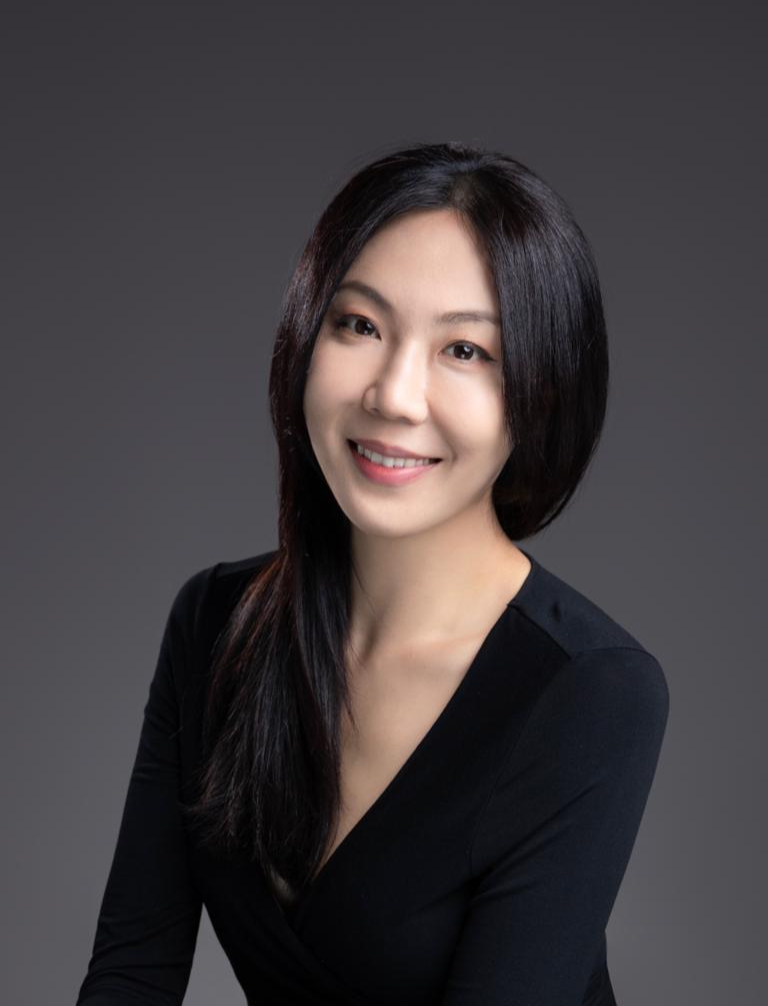
Your IB Chinese tutor
Schoolwork and IB assessment
Led by Aileen Ting, with over 10 years of teaching experience.
Private support for PYP, MYP, Mandarin ab initio and Chinese B SL and HL.
Students we’ve supported
CIS, GSIS, ISF, HKIS, CDNIS and other international schools.
Bring your schoolwork
Bring schoolwork, teacher feedback and questions you didn’t have time to ask at school. We’ll focus on reading, writing, listening or speaking skills that need attention.
More about lesson support
- Understand what needs changing in your work and why.
- Develop writing structure, vocabulary, accuracy and text-type control.
- Practise individual oral presentations and spontaneous follow-up discussion.
- Use textbooks and past-paper tasks suited to your school course and level.
LEARNING, IN OUR STUDENTS’ WORDS
What parents say about Chinese tutoring
Confidence in IB HL Chinese
Garrett Anthony McKee said Aileen helped his son develop the skills he needed to feel more confident in IB HL Chinese.
Read Garrett’s Google review ↗Moving up a Chinese class at CIS
Jeanie Jang said her daughter, who came from a family with no Mandarin-speaking background, moved from Band 4 to Band 3 at CIS within a year.
Read Jeanie’s Google review ↗Steady progress in Mandarin
Hye Young Park said her daughter studied with Aileen for more than two years and improved across several areas of Mandarin.
Read Hye Young’s Google review ↗RECENT INTEREST · PAST 30 DAYS
Learners waiting for a classmate
IB and IGCSE Chinese in Central. Lessons are arranged after a suitable match is agreed.
No learners are listed here yet. Leave your details and we’ll contact you when we find a suitable classmate.
Join the waiting list ↗Based on website forms submitted in the past 30 days. Personal details stay private.
YOUR QUESTIONS, ANSWERED
IB Chinese Tutoring FAQs
Course choices, assessments, lesson fees and support for your child.
How much does an IB Chinese tutor cost in Hong Kong?
Our private IB Chinese trial is HK$450 for one hour. A single lesson is HK$650; private packages bring the hourly lesson fee to HK$550 for 10 hours, HK$500 for 20 hours or HK$450 for 30 hours. A matched semi-private class is HK$300 per hour per learner.
Travel and printed materials may cost extra: online and Central office lessons have no travel fee; visits elsewhere in Central are HK$50, near Central with MTR access HK$100, and farther away from HK$150. Digital materials are free; printed materials, if needed, usually cost HK$200 or less. Fees outside our service vary with experience, qualifications and lesson format, so compare what is included rather than relying on one market average.
See lesson prices ↗Is IB Chinese B difficult?
Yes, it can be challenging even for students with a Mandarin background. The main hurdles are:
- Writing speed: Handwriting a developed response under time pressure needs practice; knowing a word when speaking does not always mean you can write it accurately.
- Critical thinking: Students need to explain and support ideas, rather than only describe what they see.
- Oral strategy: The individual oral involves spontaneous discussion of course themes, requiring appropriate vocabulary and the ability to respond to new questions.
Tutoring can target the particular gap: language foundations, writing control, understanding the assessment criteria or speaking practice.
What is the difference between IB Chinese A and Chinese B?
Chinese A — Language and Literature
For students ready to study Chinese at an academic level. It focuses on analysing literary and non-literary texts, writing structured commentary and interpretation, and exploring meaning, style and cultural context.
Chinese B — Language Acquisition
For students developing Chinese as an additional language. It focuses on communication for real audiences and purposes, written text types such as blogs, emails and speeches, and reading, listening and speaking across the five course themes.
A useful starting question is whether your child can already analyse demanding texts and write extended academic responses in Chinese, or is still developing the language needed for those tasks. The school decides suitable placement. We specialise in Chinese B SL and HL, and also support Chinese A students with literary analysis.
Can my child take IB Chinese Ab Initio?
Mandarin ab initio is designed for students with no previous experience, or very limited exposure, and is available at SL only. It is a separate beginner course, rather than a beginner level within Chinese B.
Schools consider the student’s language history, previous courses and current ability. Prior MYP Chinese or IGCSE Chinese study is important information to share, but there is no universal “two years of study” cutoff we can apply to every school or learner.
We can assess current reading, writing, speaking and listening skills and discuss the findings with you. Final course placement and eligibility are decided by your school and DP coordinator.
What’s the difference between HL and SL in IB Chinese B?
HL involves more recommended teaching time, more demanding language and the study of two literary works. Both SL and HL assess writing, listening, reading and an individual oral; the task demands and oral stimulus differ.
| Component | SL | HL |
|---|---|---|
| Recommended teaching time | 150 hours | 240 hours |
| Paper 1 · writing · 25% | 1 hour 15 minutes; 300–480 Chinese characters | 1 hour 30 minutes; 540–720 Chinese characters |
| Paper 2 · listening · 25% | 45 minutes | 1 hour |
| Paper 2 · reading · 25% | 1 hour | 1 hour |
| Individual oral · 25% | Visual stimulus; 15 minutes preparation | Literary extract; 20 minutes preparation |
| Literary works | No prescribed literary works | Two works studied in Chinese |
The Chinese character ranges above are also stated in West Island School’s Chinese B course information. Check the instructions for your examination session, particularly if you are studying the revised course with first assessment in 2029.
West Island School: Chinese B assessment requirements
IB Language B guide ↗What HSK and CEFR levels match IB Chinese B?
HSK and CEFR can help describe language development, but neither gives an automatic IB course placement or predicted grade. A student’s vocabulary test result alone does not show whether they can analyse a text, write for a particular audience or respond in an IB oral.
- For SL: Look at reading and listening comprehension, writing control and the ability to discuss the course themes.
- For HL: Also consider the depth of expression and readiness to work with literary texts.
The IB’s published CEFR benchmarking study checked selected English, French, German and Spanish subjects; it does not establish a Chinese B SL/HL conversion to HSK or CEFR. Bring a recent piece of schoolwork as well as any test results so we can assess the skills you actually need.
IB CEFR benchmarking study ↗Is IB Chinese harder than A-Level Chinese?
The challenge depends on the specific A-Level course and the student’s strengths. It is more useful to compare the tasks than label one qualification universally harder.
- IB Chinese B: Writing for audiences and purposes, reading and listening comprehension, and an individual oral linked to the course themes; HL also includes literary works.
- A-Level Chinese: Check the exam board’s current specification, including any translation, research, literary or film-based tasks. These requirements vary by board.
A learner who is comfortable with prepared essays may find spontaneous discussion harder; another may speak confidently but need help with handwriting and text structure. Compare actual papers and ask your school about course suitability.
What’s the IB Chinese B exam format?
Chinese B has externally assessed writing, listening and reading, plus an internally assessed individual oral. In the first-assessment-2020 course, writing is 25%, listening 25%, reading 25% and the oral 25%.
- Paper 1: Complete one writing task, using an appropriate text type, tone and structure. SL allows 1 hour 15 minutes; HL allows 1 hour 30 minutes.
- Paper 2: Separate reading and listening sections. SL takes 1 hour 45 minutes in total; HL takes 2 hours.
- Individual oral: A 12–15 minute assessment, with a presentation, follow-up discussion and wider conversation. SL uses a visual stimulus with 15 minutes preparation; HL uses a literary extract with 20 minutes preparation.
These details relate to the course used for the existing paper resources, not the revised course with first assessment in 2029. Check the guide for your exam year.
Check the official assessment outline ↗Should I hire a tutor for IB Chinese?
A tutor can be useful when a student needs more individual feedback or practice than they can get during class, particularly in writing and oral preparation. The starting point should be the student’s actual work and school feedback.
- Targeted essay-writing guidance: planning ideas, choosing a text type and improving language accuracy.
- Regular oral practice: presenting a stimulus, answering follow-up questions and discussing themes.
- Focused support for reading, listening or a gap in vocabulary and grammar.
- Practice applying the assessment criteria, followed by feedback on what to improve.
A trial lesson can identify priorities and help you decide whether ongoing support would be useful. It does not commit you to a particular grade or a fixed improvement timetable.
What IB Chinese score is required for CUHK and HKU?
Chinese-language requirements depend on the university, programme, application route and year of entry. Check both the overall IB entry requirements and any separate Chinese or English language conditions.
For a particular degree, confirm which Chinese subjects and levels are accepted, whether a minimum grade applies, and whether an alternative qualification or exemption is available. A single Chinese grade cannot be treated as a universal admission requirement or guarantee.
How quickly can tutoring improve my IB Chinese grade?
Progress depends on the student’s starting point, the skill being developed, the time available and practice between lessons. Some improvements, such as correcting a recurring writing error or using a clearer oral structure, may appear before a school grade changes.
We use personalised teaching and active exercises rather than relying only on passive note-copying. Useful signs of progress include more accurate dictation, clearer paragraphs, stronger responses to feedback and more confident discussion.
Bring recent marked work so we can set specific goals and review progress against the same criteria. A few lessons or a fixed package cannot guarantee a particular grade increase.
Can excelling in IB Chinese help with top university applications?
A strong IB Chinese result contributes to the student’s overall Diploma performance and can demonstrate language skills alongside their other subjects. It may also be relevant to a degree with particular language requirements.
- Language and cultural understanding can support academic interests and future study.
- Strong Chinese work can show the ability to communicate and analyse ideas in another language.
- The grade is considered alongside the wider IB results and the university’s own application requirements.
Universities do not all give Chinese the same weight. Check the intended course rather than assuming a strong language grade guarantees an offer.
How is IB Chinese B different from general Mandarin courses?
A general Mandarin course may prioritise everyday communication, travel or work. IB Chinese B combines language development with specific academic tasks and assessment criteria.
- Study vocabulary and ideas across the five prescribed themes.
- Practise written text types with an appropriate audience, purpose and tone.
- Work on reading and listening tasks, including meaning, detail and inference.
- Prepare for the individual oral; at HL, work with the literary texts studied at school.
IB lessons should therefore develop the language itself and show how to use it in school assessments, rather than only memorising exam answers.
My child is in PYP. Do they need a tutor if they don't have exams?
Not every PYP child needs a tutor. Consider whether they are comfortable with schoolwork, enjoy using Chinese and have enough opportunities to practise.
PYP Chinese provides foundations for later MYP and DP learning. The move towards more structured reading, writing and assessment can be a challenge, so a child with a specific gap may benefit from extra support before that transition.
We can build vocabulary and grammar through games, stories, graded readers and school topics, with time for listening and speaking. The aim is to strengthen confidence and foundations without turning every primary-school lesson into exam preparation.
What are IB MYP Chinese "Phases"?
MYP language acquisition is organised into six phases rather than school grades. The phases describe language development; learners in the same year may be working at different phases.
- Phases 1–2: Emergent level.
- Phases 3–4: Capable level.
- Phases 5–6: Proficient level.
Work develops through the four assessment criteria: A Listening, B Reading, C Speaking and D Writing. Schools choose an appropriate phase and pathway, taking the student’s background and achievable progress into account. Finishing a particular phase does not automatically decide the DP course.
Share your child’s current phase, recent tasks and teacher feedback with us so tutoring supports what they are doing at school.
IB MYP language acquisition ↗CURRICULUM · ASSESSMENT · MATERIALS
Articles from Our IB Chinese Tutors
Explore PYP, MYP and Diploma Chinese guides to curriculum, assessments, materials and preparation.

Mastering the IB Chinese B SL Oral: IO Structure, Sentence Examples & Notes
Read guide
How Hard Is IB Chinese B (Language B)?
Read guide
IB Chinese B Assessment Guide: Internal & External Exams
Read guide
IB Chinese B Syllabus Guide: Themes & Topics (Explained by a Tutor)
Read guide
Complete Guide to the IB MYP Chinese Curriculum (Language Acquisition)
Read guide
MYP Chinese Assessment Explained by an IB Chinese Tutor
Read guide
How an IB Chinese Tutor Teaches MYP Students Using Structured Textbooks
Read guide
Top IB Chinese Learning Materials for PYP Success
Read guide
PYP Chinese Assessment Explained for IB Parents in Hong Kong
Read guideYOUR NEXT STEP STARTS HERE
Book a trial or enquire
Share your IB course, level and where you need help. We’ll discuss a suitable starting point.